
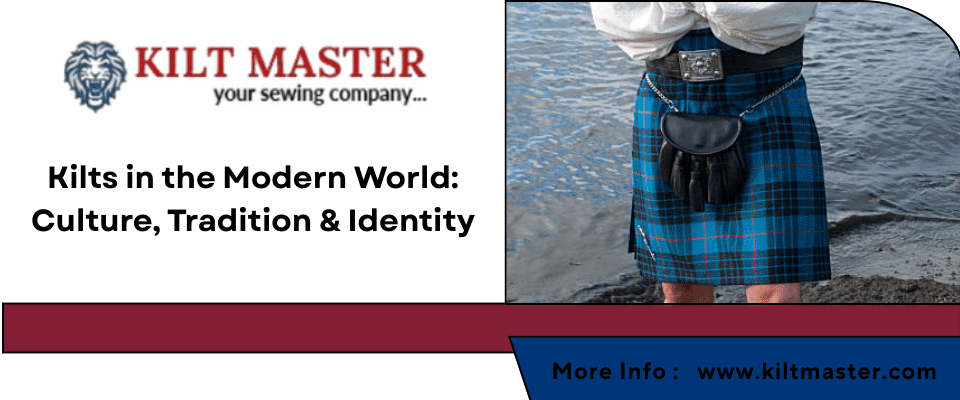
The kilt, often called the Scottish skirt, transcends mere clothing. With pleats in wool tartan, kilts carry centuries of cultural weight while evolving into modern styles. From formal ceremonies to street fashion and rugged workwear, kilts remain symbols of identity, pride, and innovation.
What Is a Kilt?
At its core, a kilt is a knee-length, pleated garment made from tartan cloth. Traditionally worn by Scottish men to express clan lineage, kilts come in many varieties now—from classic tartan kilts to modern kilt made of denim or leather, and functional utility kilts designed for everyday wear.
Traditional vs Modern vs Utility Kilts
| Type | Fabric & Look | Primary Use | Symbolism |
|---|---|---|---|
| Traditional Kilts | Wool tartan, clan-specific | Weddings, ceremonies, Highland Games | Cultural heritage, identity |
| Modern Kilts | Denim, leather, cotton blends | Streetwear, festivals, casual wear | Fashion statement, individuality |
| Utility Kilts | Heavy-duty fabrics, pockets | Outdoor work, biking, events | Functionality, versatility |
Why Kilts Thrive Today
- Cultural continuity: Traditional kilts preserve Scottish heritage and clan pride.
- Formal elegance: They remain essential for formal events and national ceremonies.
- Bold fashion: Modern kilts challenge norms and signal creativity and confidence.
- Performance wear: Utility kilts offer comfort and practicality for active lifestyles.
- Global reach: Kilts are worn by enthusiasts worldwide—in music, military, and subcultures.
Who Wears Kilts Today?
Scottish & Irish Communities
In Scotland, tartan kilts remain essential for ceremonies and cultural gatherings. In Ireland, plainer kilts are worn by pipe bands, military units, and at festive occasions—maintaining a Celtic connection.
Bagpipe Bands & Military Units
From Canada to Australia, bagpipe bands proudly wear kilts—classic or modern—at parades and performances. Military regiments, especially Scottish units and Canadian pipers, wear kilts as part of formal dress uniforms.
Street Fashion & Modern Trendsetters
Kilts are now fashion staples. Designers create kilts from leather, denim, and hybrid fabrics for runway and street style. Both men and women—often non-traditional wearers—embrace kilts as bold style statements.
Utility Kilts for Work & Outdoor Life
Outdoor professionals—bikers, campers, festival workers—choose utility kilts for comfort, mobility, and deep pockets. These are practical garments that nod to tradition while offering modern utility.
Symbolism Behind Kilts
Kilts stand as powerful symbols: heritage, pride, individuality, and resilience. Whether you don a traditional tartan kilt or a cutting-edge design, it's a statement of identity and respect.
Frequently Asked Questions (FAQs)
Can anyone wear a kilt?
Yes! Kilts are open to anyone who appreciates their style or significance—regardless of background.
How do I choose the right kilt?
Consider the purpose: clan tartan for tradition, utility fabric for work, modern for fashion. Fit and fabric matter most.
Do kilts fit all body types?
Absolutely. Kilts are adjustable and come in various sizes. Tailored options ensure a perfect fit.
Is it appropriate to wear a kilt if you're not Scottish?
Yes—when worn respectfully, kilts are embraced globally as symbols of culture or fashion.
How should I care for my kilt?
Wool kilts should be dry-cleaned; modern fabric kilts follow their care labels. Store flat, cool, and dry.
Choosing Your Kilt
Ready to select a kilt? Consider these styles:
- Tartan Kilts: Choose your clan or a favorite pattern for formal wear.
- Irish Kilts: Solid colors suitable for bands and celebrations.
- Modern Kilts: Mix fabric and fashion—perfect for casual or edgy style.
- Utility Kilts: Ideal for movement—check fabric and pocket layout.
- Inclusive Kilts: Women’s and gender-neutral designs offer style and dignity.
Final Thoughts
Kilts continue to thrive as symbols of culture, innovation, and personal expression. From tartan to leather, from ceremonies to concerts, they tell stories of the past while boldly shaping modern style. Whether worn for identity, fashion, or function, kilts remain woven into our shared global tapestry.
For more information, visit:

