
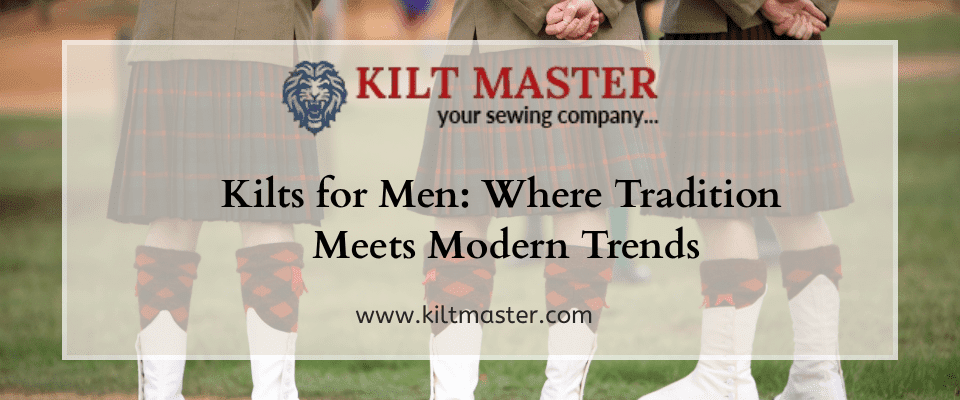
Kilts for Men: Where Tradition Meets Modern Trends
One of the most identifiable markers of Scottish ancestry are kilts, which men have historically worn as part of their Highland attire. Kilts for men have developed into a multipurpose outfit that strikes a balance between comfort, style, and tradition. They are no longer only worn for ceremonial purposes. The kilt has enduring appeal, whether you're dressing up for a formal event, a wedding, or just want to make a statement with your outfit. This article explores every aspect of men’s kilts—from historical origins to their stylish resurgence in modern fashion.
History of Scottish Kilts
Kilts for men have a rich history dating back to the 16th century, when Highland Scots began wearing them as practical clothing. These early versions, called the “great kilt” or féileadh-mór, were large pieces of fabric wrapped around the body. This design made them ideal for Scotland’s unpredictable weather and flexible enough for battle or work.
By the 18th century, the great kilt evolved into the more familiar small kilt or féileadh-beag. Kilts soon became associated with Scottish clans, each represented by a unique tartan pattern. Following the Jacobite uprisings, kilts were banned in the mid-1700s but were later revived. Today, they stand as a proud symbol of Scottish identity.
Why Men Still Wear Kilts Today
Kilts for men have transcended their Highland roots and emerged as a global fashion symbol. While some men wear kilts to honor their Scottish ancestry, others appreciate them for their comfort, style, and functionality.
- Heritage and Tradition: Often worn at weddings, cultural events, and Highland Games, kilts are a way to showcase cultural pride.
- Comfort: Kilts made from wool or cotton provide breathable comfort, even during long wear.
- Unique Style: Kilts offer a distinctive look, perfect for men seeking a bold fashion statement.
Choosing the Right Kilt
Choosing the right kilt for men depends on the occasion, material, and personal preference.
- Material: Wool is traditional and ideal for formal events, while cotton and leather offer casual, modern options.
- Tartan Patterns: Represent clans or regions. Universal tartans are available for those without ancestral links.
- Length: A traditional kilt should fall to the center of the knee.
Types of Kilts for Men
| Type | Description |
|---|---|
| Traditional Kilt | Formal events like weddings and ceremonies |
| Utility Kilt | Casual wear with added pockets and tough fabrics |
| Tactical Kilt | Canvas or leather, suitable for outdoor use |
| Hybrid Kilt | Combines traditional tartans with modern materials |
Styling Tips for Men’s Kilts
Accessories make a kilt outfit complete:
- Sporran: A pouch worn at the front for storage and style.
- Belt and Buckle: Adds structure and detail.
- Footwear: Ghillie brogues for formal looks; boots or sneakers for casual wear.
- Jackets:
- Prince Charlie – Formal occasions
- Argyle – Versatile semi-formal jacket
- Casual – Sweaters, hoodies, or shirts
Benefits of Wearing Kilts
- Comfort: Great for warm weather due to excellent ventilation.
- Durability: High-quality kilts can last decades.
- Versatility: Suitable for both formal and casual settings.
- Identity: A way to express cultural heritage or personal style.
Modern Trends in Kilts for Men
Modern fashion embraces kilts like never before. Designers have reimagined kilts for urban and casual wear.
- Utility Kilts: Ideal for daily wear, featuring functional pockets.
- Leather Kilts: Bold and edgy, perfect for fashion-forward settings.
- Hybrid Kilts: A mix of tradition and innovation, combining tartan and contemporary fabrics.
Celebrities such as Gerard Butler, Vin Diesel, and musicians have brought kilts into the limelight, promoting them as stylish and masculine garments.
Buying a Kilt
- Where to Buy: Specialist retailers or trusted online stores like kiltmaster.
- Quality vs. Price: High-quality kilts are a worthwhile investment.
- Customization: Get kilts tailored for perfect fit and desired tartan.
Final Thoughts
Kilts for men are more than just garments—they are a powerful fusion of heritage, individuality, and evolving fashion. From their deep roots in Scottish history to their stylish transformation in modern wardrobes, kilts continue to make a statement across cultures and generations. Whether you wear one for tradition, function, or fashion, the kilt stands tall as a timeless symbol of pride and personality.
For more information, visit:




