What is a Lyre Harp?
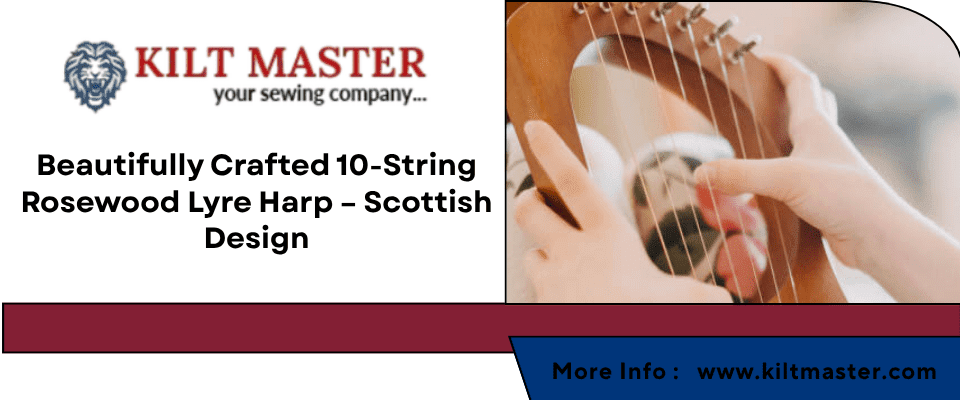
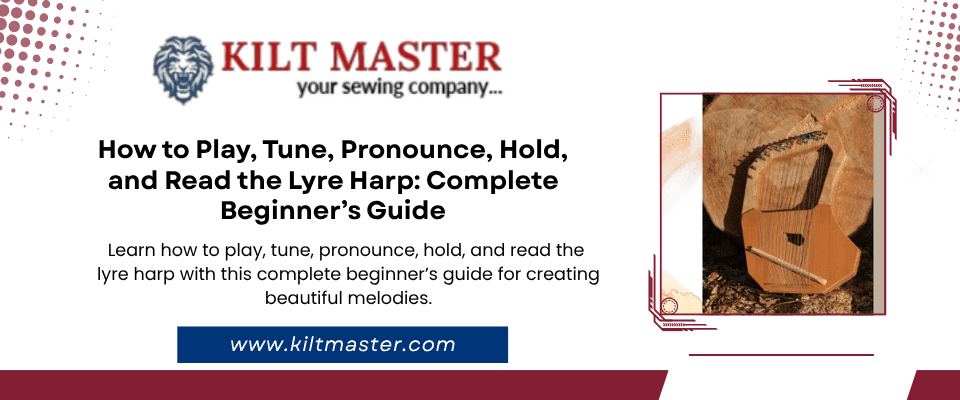
A lyre harpis a small, stringed instrument that resembles a mini harp or a U-shaped frame with strings stretched across it. Unlike a full-size harp, the lyre is lightweight and often has 7–16 strings. It is played by plucking the strings with your fingers to produce soothing, melodic tones. Historically, lyres were symbols of music, poetry, and cultural pride in ancient Greece.
How to Play the Lyre Harp
Learning to play the lyre harp requires basic finger coordination. Follow these steps:
- Sit comfortably with your lyre harp resting on your lap.
- Pluck the strings gently with your thumb and index finger.
- Start with simple scales and melodies.
- Gradually progress to songs or traditional folk tunes.
Tip: Consistent daily practice of 10–15 minutes will quickly improve your skills.
How to Tune the Lyre Harp
Proper tuning is essential for a beautiful sound. Most lyre harps are tuned to C Major or D Major. Here’s how to tune your lyre harp:
- Use a digital tuner or tuning app on your phone.
- Identify the correct note for each string (commonly C, D, E, F, G, A, B).
- Use the tuning key to tighten or loosen the string.
- Check the pitch after each adjustment.
Sample Lyre Harp Tuning (7-string C Major)
| String Number | Note |
|---|---|
| 1 (Top) | C |
| 2 | D |
| 3 | E |
| 4 | F |
| 5 | G |
| 6 | A |
| 7 (Bottom) | B |
How to Pronounce Lyre Harp
The word “lyre” is pronounced ly-er, rhyming with “fire.” Correct pronunciation is important for communication in music classes or when discussing the instrument with others.
How to Hold the Lyre Harp
Holding your lyre harp correctly improves sound and comfort. Follow these steps:
- Rest the base of the lyre harp on your lap.
- Tilt the harp slightly towards your body.
- Use your non-dominant hand to stabilize it.
- Pluck the strings with your dominant hand for better control.
How to Read Lyre Harp Music
Reading music for lyre harp involves understanding basic sheet music:
- Learn the notes on the staff (A-G).
- Match each note to the string on your lyre harp.
- Start with simple melodies and gradually increase complexity.
- Practice counting beats to maintain rhythm.
Lyre Harp vs Traditional Harp
| Feature | Lyre Harp | Traditional Harp |
|---|---|---|
| Size | Small & portable | Large & heavy |
| Strings | 7–16 | 30–47 |
| Cost | Affordable ($50–$200) | Expensive ($500–$5000+) |
| Skill Level | Beginner-friendly | Intermediate to professional |
FAQs About Lyre Harp
Q1: Is the lyre harp easy to learn?
Yes, the lyre harp is beginner-friendly. Most people can play simple melodies within a week.
Q2: How many strings should I start with?
Beginners usually start with a 7–10 string lyre harp for simplicity.
Q3: Can I play modern songs on a lyre harp?
Yes! While it is best for folk and classical tunes, you can adapt simple modern songs.
Q4: Do I need nails to play the lyre harp?
No, you can play with your fingertips, but some players prefer using their nails for a sharper sound.
Conclusion
Mastering the lyre harp involves learning how to play, tune, pronounce, hold, and read music. This enchanting instrument brings relaxation and joy to any music lover. Start with simple exercises, tune it properly, and enjoy the soothing melodies of this ancient instrument.
Ready to explore beautiful lyre harps? Visit Kilt Master for high-quality instruments and accessories.
For more information, visit: